
Episode one
How these crashes actually happen
The everyday pedal error, parking geometry, and low-speed lot movement behind most incidents at child care sites.
Download the episode handout (PDF)A Storefront Safety Council partnership
Drop-off, pick-up, and outdoor play all happen within a few steps of moving vehicles. As a founding member of the Storefront Safety Council, ICP is offering 100 early childhood programs a free site safety risk assessment — a calm, practical review of what your site looks like from a driver's seat.
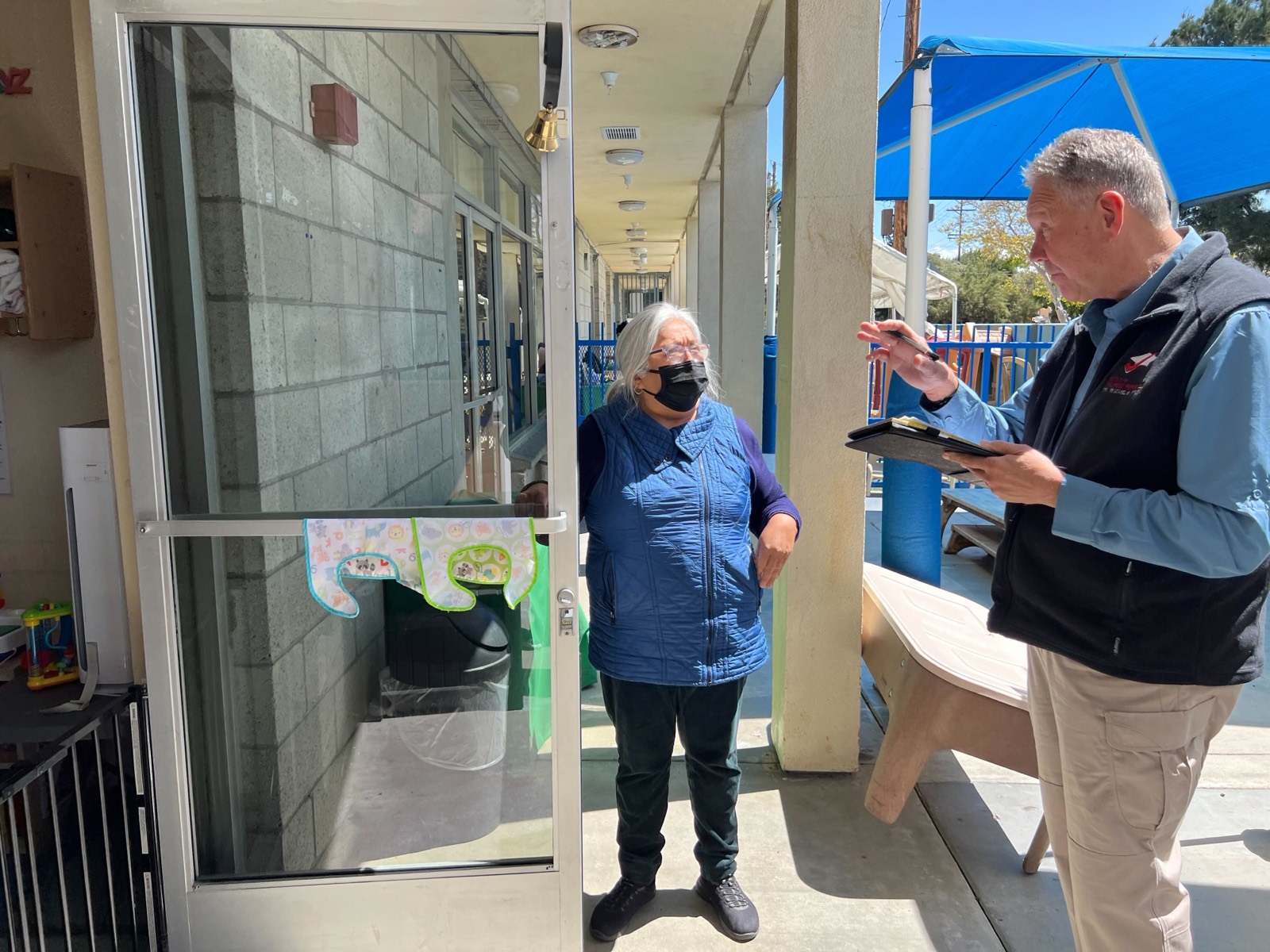
Every ICP assessment starts where families do — at the curb.
Why this matters
A vehicle strikes a building somewhere in the United States about a hundred times a day. Most of those crashes are ordinary: a foot slips from the brake to the accelerator, a driver misjudges a parking stall, a car rolls forward in a lot at low speed. They rarely make the news, and they almost never happen because someone was careless with children.
Vehicle-into-building crashes
About 100 a day, nationwide
Working with the Storefront Safety Council, ICP reviewed more than 300 incidents that occurred at early childhood sites — child care centers, preschools, Head Start programs, and family child care homes. Roughly half of them resulted in injuries. Reading them together, the pattern was less about driver behavior than about geometry: where the parking faced, how far the walkway sat from the drive lane, whether anything solid stood between the two.
Incidents reviewed at early childhood sites
300+, about half with injuries
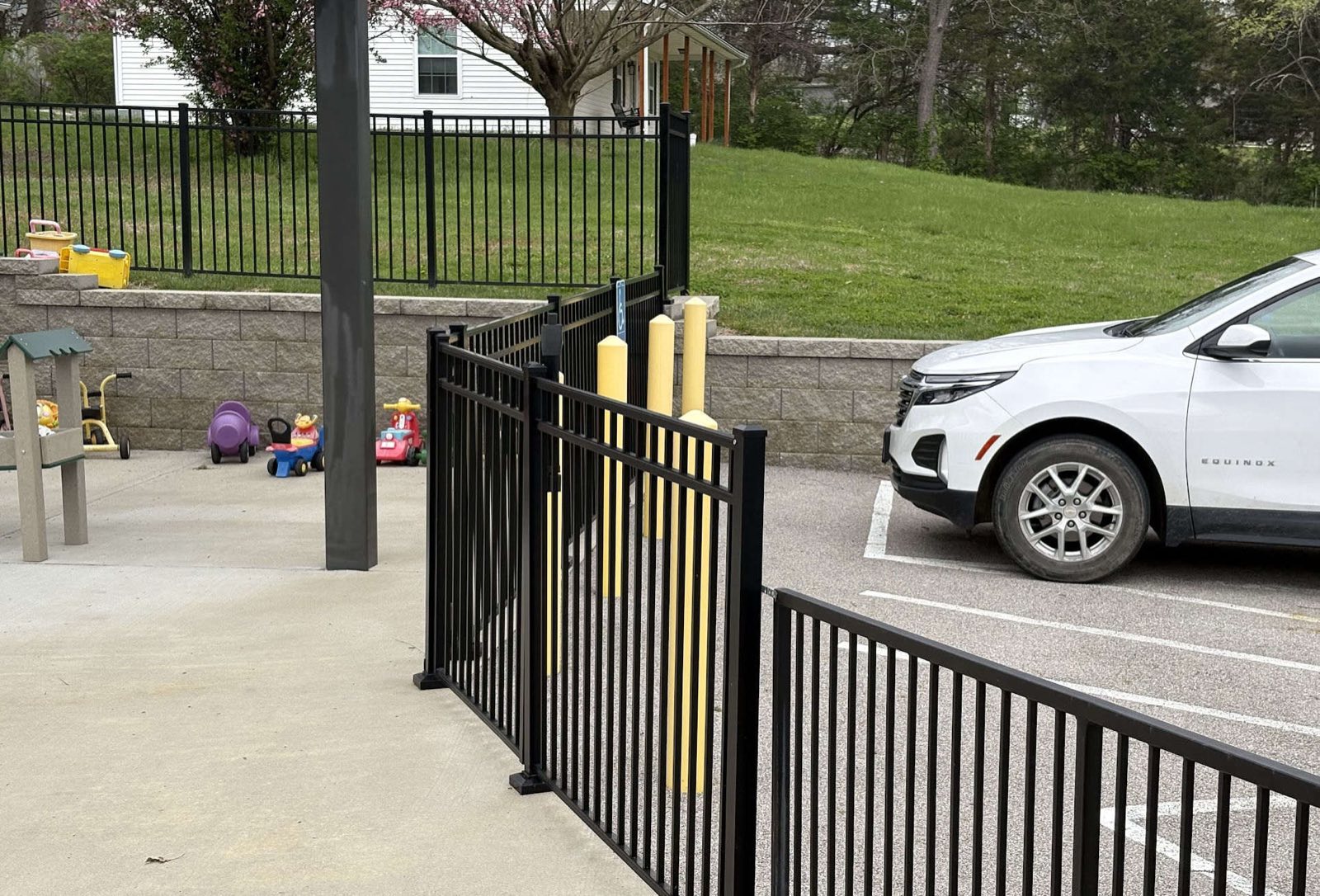
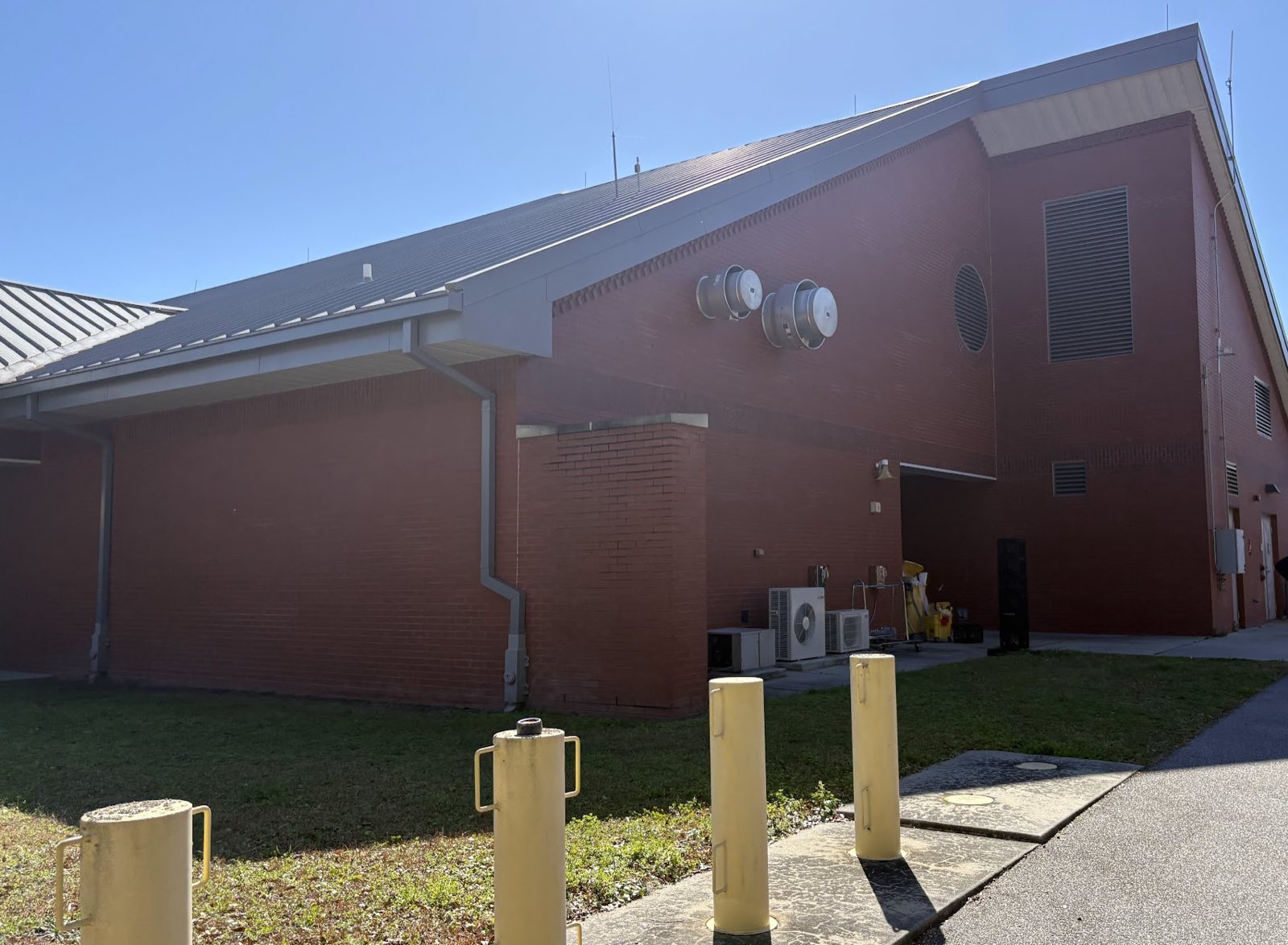
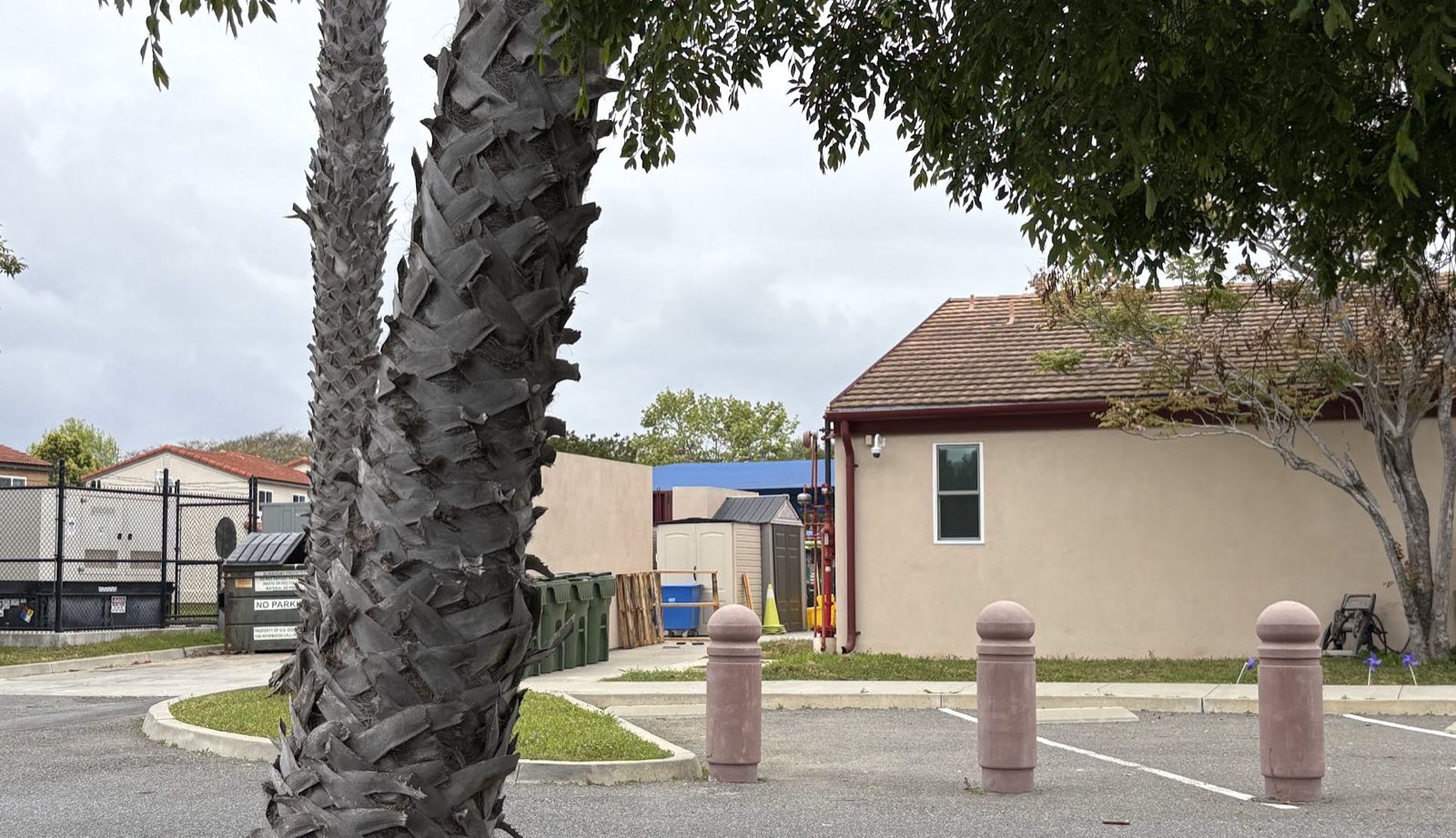
In a great many programs, the classroom wall, the nap room, or the fenced play yard sits only a few feet from a lane where cars back up and pull in all day long. That is not a failure of anyone's judgment. It is a condition of the building — and conditions can be assessed, documented, and improved.
The partnership
The Storefront Safety Council is the national organization working to prevent vehicle-into-building crashes. For more than a decade its members — traffic engineers, safety researchers, and attorneys — have studied why these crashes happen and what reliably stops them.
ICP joined as a founding member of its early childhood initiative. Our role is translation: taking what the Council knows about parking lots and pedestrian safety and putting it in the language of licensing, ratios, drop-off routines, and playground supervision.
Read why ICP joined the Storefront Safety Council

The series
Three short conversations with Rob Reiter of the Storefront Safety Council, made for directors and owners.
Episode one
The everyday pedal error, parking geometry, and low-speed lot movement behind most incidents at child care sites.
Download the episode handout (PDF)Episode two
Site layout, sight lines, and the physical features that reliably keep vehicles away from occupied spaces.
Download the episode handout (PDF)Episode three
What to look at where children play outside — fencing, distance from drive lanes, and the protection worth budgeting for.
Download the episode handout (PDF)The offer
Free for early childhood programs of every type — centers, preschools, Head Start and Early Head Start, faith-based programs, and family child care homes. There is no cost, no obligation, and nothing to install. You will need about twenty minutes and a few photos of your site.
Request your free assessmentWhat the assessment covers
Duty of care
When something happens on a site, the question that follows is rarely whether a program cared. It is whether the program looked. A dated site assessment, kept with your records, is a straightforward answer: here is what we reviewed, here is what we found, and here is what we changed.
It is the same habit as a fire drill log or an incident report — quiet documentation that a reasonable program keeps as a matter of course.
Explore ICP's Legal Preparedness trainingOne hundred programs will have a clear picture of their site. Yours can be one of them.
Request your free assessment